


Welcome to Dorset
Rustic yet Elegant Charm in Vermont’s Green Mountains
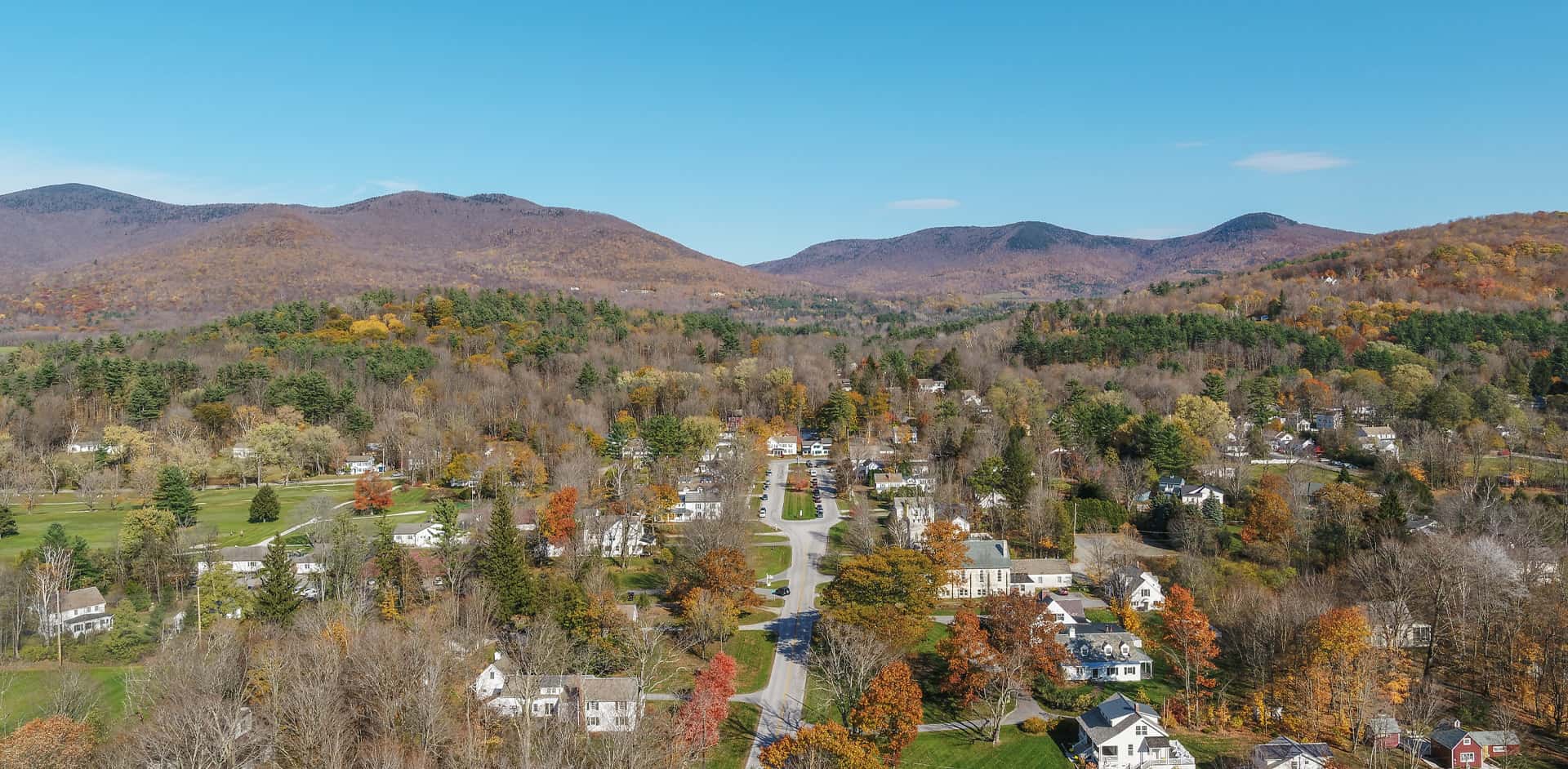
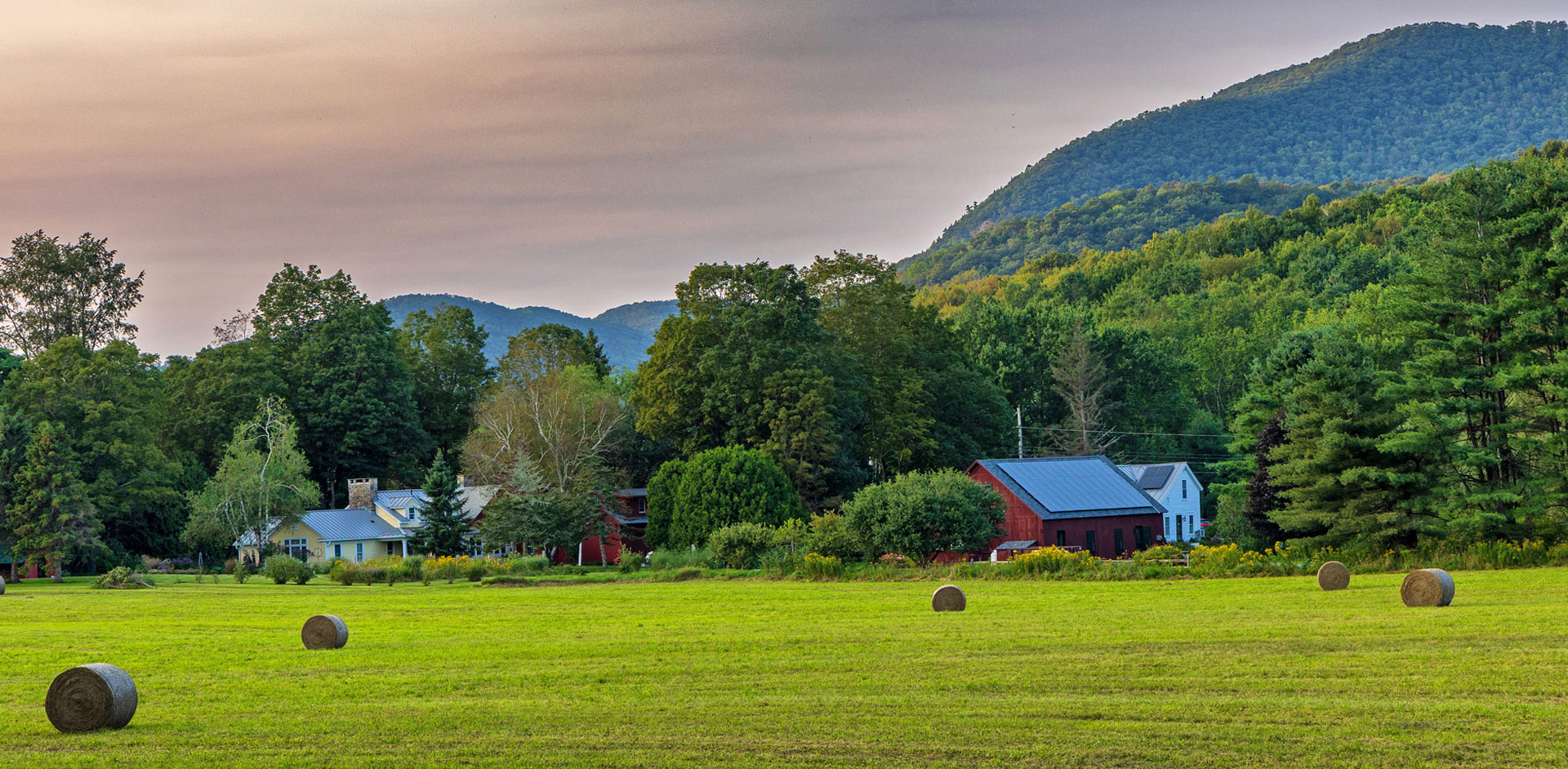
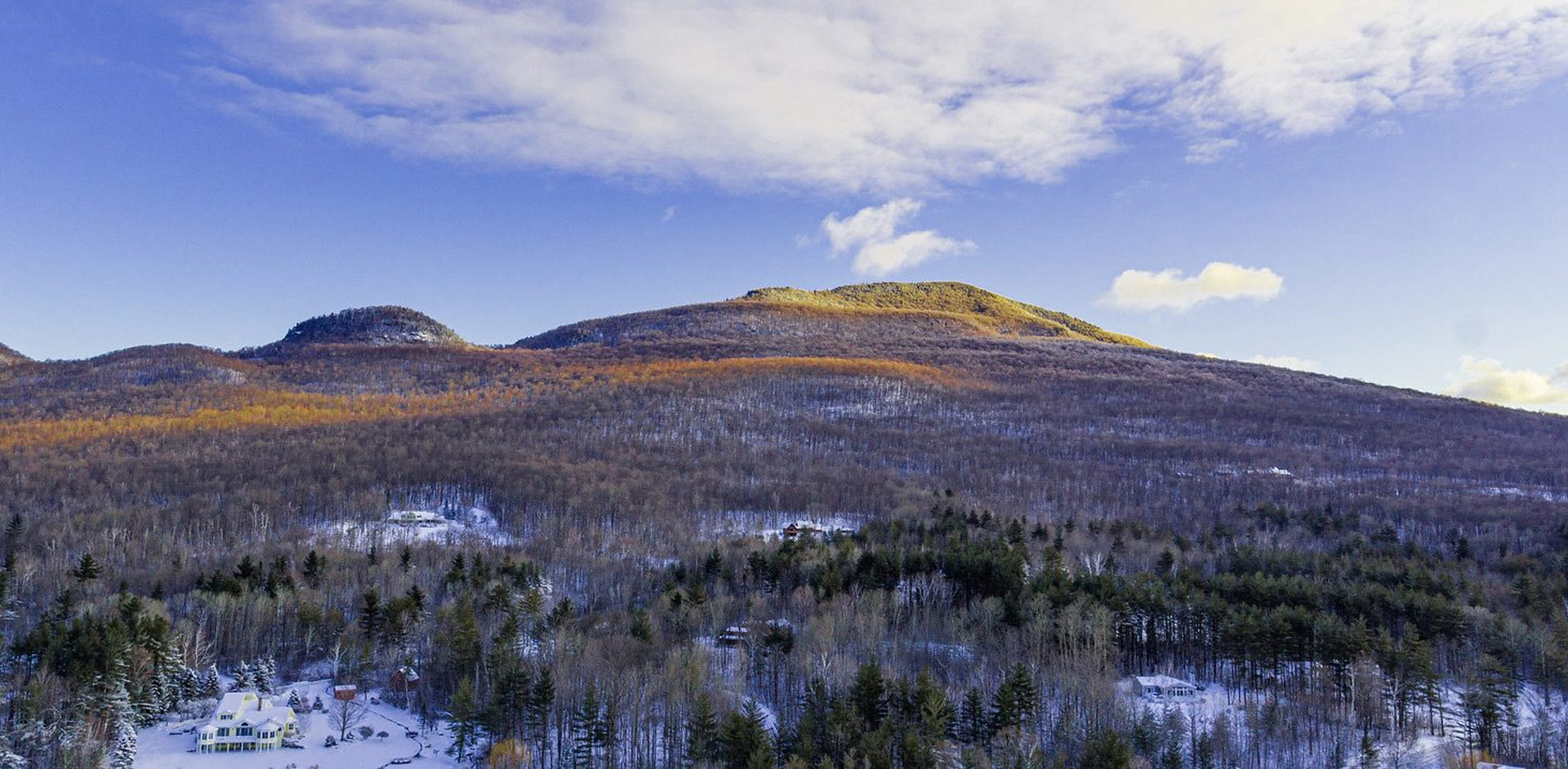
With its quintessential New England character and energy, Dorset, Vermont is a four-season destination offering exceptional dining and lodging, unparalleled year-round outdoor activities, and a vibrant arts and culture scene. Dorset’s beauty is matched only by our rich history, our residents and the diverse and welcoming businesses you will find here. We are nestled in the heart of the Vermont Valley in southwestern Vermont – where the Taconic Mountains meet the Greens. You’ll find there’s always more to discover here in Dorset.
DID YOU KNOW ?
The original 9 hole track at Dorset Field Club is the oldest in the country
UPCOMING EVENTS
Take a Day Trip to Dorset
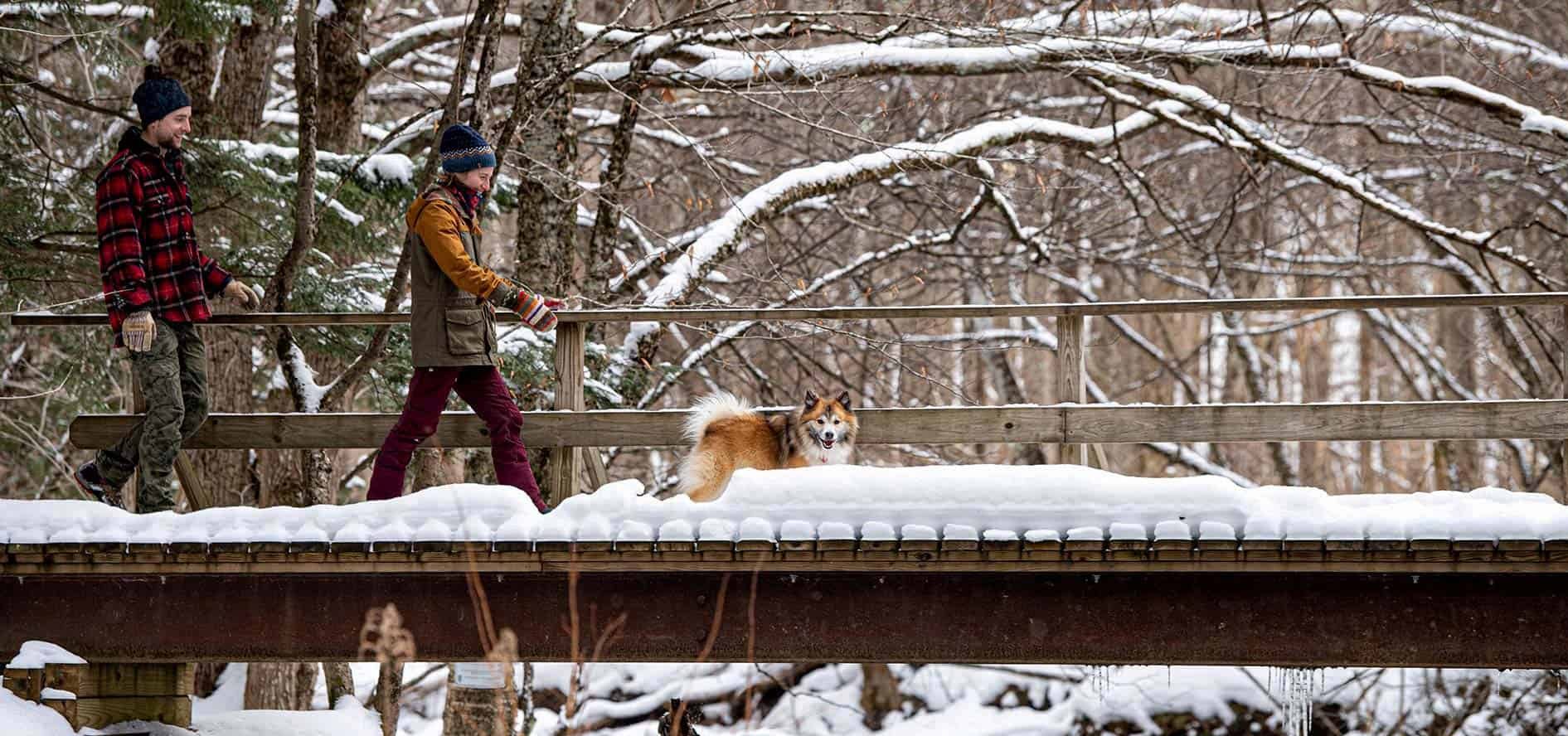
Dorset is one of the Green Mountain state’s hidden gems. It may be the size of a postage stamp but we like it that way! It offers a huge variety of ways to fill your day with world-class hiking and mountain/road biking to fishing and swimming in our quarries, lakes and mountain streams - the options are everywhere!
Dorset...
Our Home, Our Stories
The Howe Farm – An Old Home with a New Life
By Liz Schafer Some older homes are dynamic archives to generations of one family. Others have more mysterious stories to tell; they’ve seen inhabitants come and go. One East Dorset couple on Mad Tom Road has encountered a few clues about the history of their circa 1800 homestead. But while they may not be able […]
Read More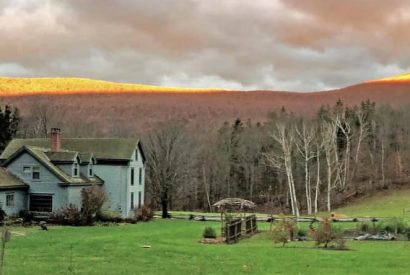
The Presence of Pheasants at Dorset Field Club
Anyone who has found himself (or herself) at the north end of DFC on holes 3 through 6 may have witnessed an unusual sight (for Vermont anyway)–ring-necked pheasants running along the edges of the fairways. It’s hard to miss them with their vivid colors and distinctive white collars. The birds occasionally wander onto the golf […]
Read More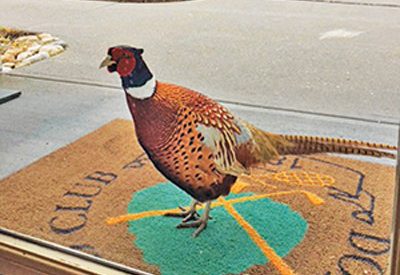

Dorset Maple Syrup, in a class of its own!
Pure Vermont Maple Syrup. Some of the very best of this heavenly nectar is produced here in Dorset (and nearby Rupert).
Mass-produced uniformity and multi national retail chains...are NOT us!
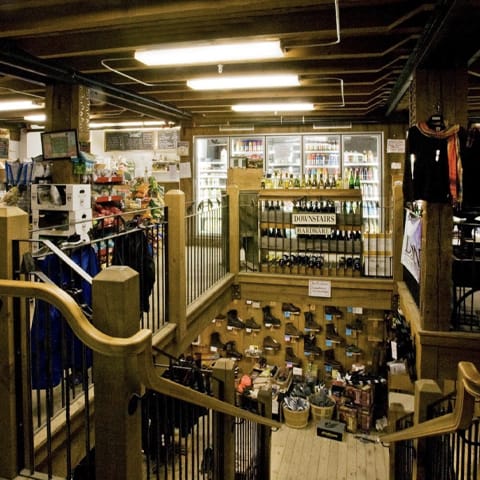
Dorset boasts an impressive mix of small, locally-owned artisan shops and galleries, specialty niche retail experiences, and old-time Vermont country and general stores
A Taste of Dorset, Vermont
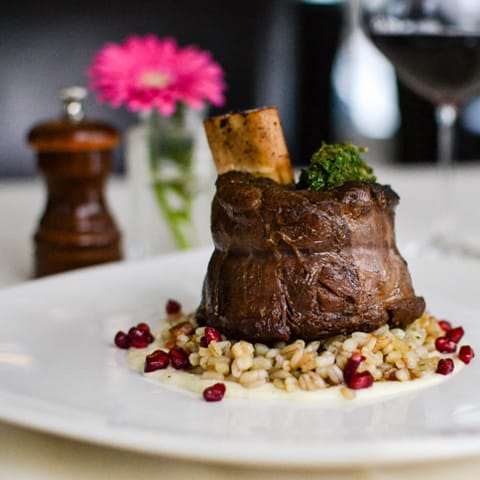
Dorset offers a large selection of world-inspired cuisines, culinary classics, delectable baked goods, craft brews and cocktails, and more. Our restaurants showcase Vermont’s local products and celebrate our regional farmers and producers. You're in for a treat!
Stay in Dorset, VT
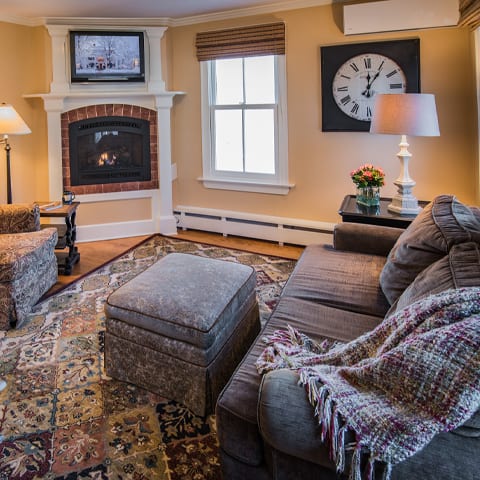
Whether you’re here just for the night, a long weekend, or an extended vacation, Dorset is the perfect place to rest, relax, and recharge. From historic inns and bed and breakfasts to cozy campsites and lodges, you’re sure to find lodging that fits both your style and budget. Come for a bit or stay for awhile.
Hiking in Dorset, VT
Whether you’re looking for family-friendly stroll or want to spend the day in the clouds with jaw-dropping views, it’s at your fingertips here in Dorset
Biking in Dorset, VT
Dorset is a biker's paradise. From challenging single track mountain biking to scenic gravel roads and trails as well as the beauty of the open road, Dorset offers something for every biking enthusiast. Ride smart, stay safe!
A Bird's Eye Fall View of Dorset
Glorious fall foliage creates wondrous views that never grow old. Enjoy the flight!
Sugaring Season at Merck Forest
People across the United States seek Merck Forest & Farmland Center’s Vermont-Certified Organic Maple Syrup. This sugaring process is an experience you'll be sure to enjoy!
Hiking to the Pinnacle
Dorset’s Pinnacle Tower and a few ancient trees are all that is left to tell the story of Miss Cecelia deNottbeck, great-grand daughter of John Jacob Astor and a descendent of Finnish nobility.
Northshire Grown: Direct
Northshire Grown: Direct is a direct-to-consumer local food purchasing program, developed in response to Covid-19. It has been hugely successful in bringing together over forty area farms and food producers with consumers from the greater Dorset area.
The Voices of Someday Farm
Scout Proft, a 3rd generation farmer in the foothills above East Dorset, carries on her families passion for land, community and Vermont's natural resources.
Wild Foods - The Hen of the Woods
Going deep into the Taconic Mountains in search of something edible!
Dorset, Vermont Living the Way it was Meant to Be
For the Vermont small town purist, there is really nothing like Dorset. Steeped in history, drenched in elegance, bathed in community, this is the type of town you think of when you think of Vermont. This is just a place where people love to live, and the homes reflect this.
Danby Mountain Road, Dorset, VT
Take a ride with stunning foliage! The location is Danby Mountain Road in Dorset, Vermont. This is in the Green Mountains in southern Vermont.
The Main Streets & Back Roads of Vermont
Dorset is a hidden gem of a town. Tucked in a valley where the Taconic and Green Mountain ranges meet, talent, beauty and authenticity are everywhere.